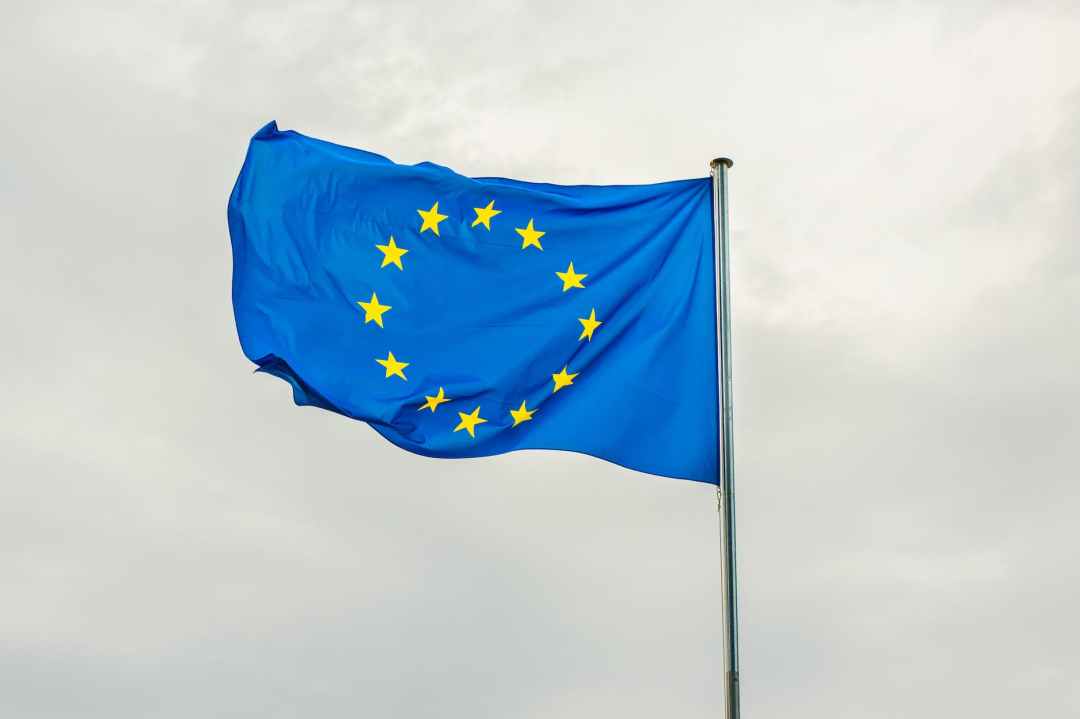
The trademark law in Europe is regulated by European Union Intellectual Property Office (EUIPO). As per EUIPO “Trademarks are signs used in trade to identify products.” It’s a symbol that distinguishes one from their competitors. One of the important conditions to be kept in mind while registering the mark is to clearly define the mark to be registered, else the applicant will never be certain of what the mark covers. There are atleast thirteen categories in which the trademark can be registered.
EUIPO administers the EU Trade Mark and Design rights, applicable throughout the EU. On an average the office of EUIPO receives more than one lakh fifty thousand applications for examination.
What are the marks that can be registered as a trademark?
Marks that can be registered under EUIPO are word mark, figurative mark, figurative mark containing word elements, shape mark, position mark, pattern mark, colour mark, sound mark, motion mark, multimedia mark, hologram mark.
Why File Registration through EUIPO?
A European Union trade mark grants you exclusive rights and protection in all the Members State through a single registration.
How fees is paid?
Basic fee for an application for an individual European Union (EU) trade mark is 1000 EUR. For online filing the fees is 850 EUR.
Basic fee for filing EU Collective Mark or an EU Certification Mark is 1800 EUR and for online application is 1500 EUR.
Countries under EUIPO:
| Germany DPMAGreece OBIHungary HIPOIreland IPOIItaly UIBMLatvia LRPVLithuania VPBLuxembourg OPIMalta CD-IPRDPoland PPOPortugal INPIPT |
| Austria ÖPABelgium IPObelBenelux BOIPBulgaria BPOCroatia DZIVCyprus DRCIPCzech Republic IPOCZDenmark DKPTOEstonia EPAEurope EUIPOFinland PRHFrance INPI |
Ways in which trademark can be registered
There are four ways in order to get a mark registered in EU countries. They are the regional way, the national way, EU System and international registration via WIPO.
- For registration of mark in Belgium, the Netherlands and/or Luxembourg, you can make an application to the Benelux Office of Intellectual Property (BOIP), the only regional-level IP office in the EU, for trade mark protection in those three Member States. This is the regional route.
- For registration in one of the member states of EU you can make a trade mark application directly at the relevant national IP office.
- If you want trademark protection in all member states of EU then apply for mark through EUIPO.
- For the international level registration can be done through WIPO Madrid System
.
Process of Registration:
Classification:
The European Union Intellectual Property Office (EUIPO) has adopted the Nice Classifications for classifying goods and services. The Nice Classification divides the goods and services into 45 categories (or classes).
Application:
The application for trademark registration must contain the mandatory and basic information required: a request for application, a correctly identified owner, a clear representation of the mark and a list of goods and services. Payment of the basic fee must also be made within one month of the filing date. Your EUR 850 application fee enables you to choose one class. For an additional fee of EUR 50 you can add a second class, and for three or more classes you will need to pay EUR 150 for each class.
There are two types of forms available for filing application, the Five Step Form and the advanced forms.
Examination, Publication and Opposition and Registration :
If any objection is found, then the examiner will notify to the applicant and subsequent to which the reply must be filed within 2 months. Additional 2 months can be requested for filing the reply. If the response is not satisfactory the examiner may refuse to accept application. The examining body may amend your application details if appropriate (for example, by deleting the description or adding a colour claim). If you are not satisfied with the outcome, or think there has been an error you have the right to appeal. If your application is refused, it is still possible to convert your EU trade mark application into national registrations, provided no conflict exists.
If no objection is raised, then the trade mark so applied for will be published in 23 EU OFFICIAL LANGUAGES. From here on the third parties have a period of three months to oppose the mark so published.
Generally opposition is made on two reasons:
- The third party has an earlier right and is in conflict with the mark published for application. The opposition is filed along with a fee of €320. The dispute is decided after both parties, the applicant and the opponent, have submitted evidence and arguments. All opposition decisions are published online and all adversely affected parties have a right to appeal.
- The third party can invoke any absolute ground to oppose the mark. It is a third party observation and is free of charge. After this the application will be reexamined however the third party will not be communicated the decision so made. The third party if wants to know the outcome can check the same via eSearch.
Once the opposition proceedings are concluded and the applicant successfully defends the mark, the mark is proceeded for registration.
In case no opposition is filed then the mark is registered. The publication of the registration is free of charge and a certificate of registration is issued. No paper copy of certificate of registration is issued.
Conclusion:
To conclude the above article, it is further added that the decision made during opposition proceedings can be appealed by the aggrieved party. One can use e-Appeal tool to file notice of appeal electronically.
©SAKSHI KHULVE ©MEHTA DIXIT

 DUCTUS EDGE