INTRODUCTION
Acquisition is a process wherein, a company purchases another company and take control of their assets, operations and market position. An acquisition is not just about taking ownership of another company’s shares, it also involves the gaining control over the target’s resources, intellectual property and customer base. Acquisition can occur between small companies and it can happen even on a larger scale. Acquisition, Merger and Amalgamation are three terms that runs parallel, but there are major differences between these 3 terms. On one hand acquisition is the buying of one company by another company. Merger is when two companies are merged when they agreed to create a brand-new business with expanded capabilities. While in Amalgamation, dissolution of the company and a new company (with new name) gets created.
One of the main question that lies is why do companies pursue acquisition? Companies believes that acquisition is a critical tool for expansion into a new market. It at the same time, acquisition is also cost- efficient to acquire a company that has already developed advanced technology rather than developing it in house. Acquiring a competitor can also help in reducing competition. Recently, Hindustan Unilever Limited acquired 90% of the stakes in a growing brand called “Minimalist” for Rs.2, 995 crores. HUL, which is a fast moving consumer-goods company, is handling 61 brands under it. It’s products includes foods, beverages, cleaning agents, personal care products etc. and by acquiring the brand “Minimalist”, which was founded in 2020, the company had made its way up in the beauty and self- care market. By acquiring minimalist, HUL has successfully capitalize on Minimalist’s rapid growth, innovative product offerings, and strong consumer base in the beauty and self-care market, further diversifying its portfolio and solidifying its position as a market leader in the personal care segment. In a gist, there are several steps involved in the acquisition of a company, such as identifying the target companies, negotiation, due diligence, perform valuation analysis etc. Herein, there will be a focus on taking regulatory permissions for any kind of acquisition or merger.
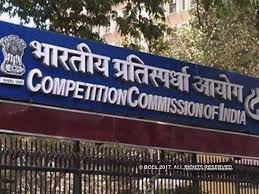
COMPETITION COMMISSION OF INDIA
CCI is one the two regulatory authorities from which permission has to be taken from before any kind of merger or acquisition. CCI has a wider jurisdiction as it can probe any kind of acquisition that has happened outside India, but has appreciable adverse effects in those relevant markets. Section 19(3) of the Competition Act, 2002, explains the factor which can cause Appreciable Adverse Effects in the market. It says that if any company merges, or amalgamates or one company is acquired by another company and if because of such process, there is;-
- Creation of barriers to new entrants in the market
- Driving existing competitors out of the market
- Foreclosure of competition
- Accrual of benefits to consumers
- Improvements in products or distribution,
- Promotion of technical, scientific and economic development by means of production or distribution.
In 2021, Zomato acquired 9.3% stake in Grofers and related entities[1]. Therein, CCI investigated whether such acquisition is likely to cause an appreciable adverse effect on competition or not. Hence, CCI considered various possible relevant market that is ; Broad market for supply of groceries, household item and related goods and narrower market like online marketplaces for grocery sales and B2B supply of groceries. It was observed the combined market shares of Zomato and Grofers in Broad Market was just 1% and in online market place was between 10 to 15%. Even after their acquisition, there was a presence of strong competitors such as Walmart, Amazon, Flipkart etc. Hence, this combination was approved by the commission, since there were many other strong competitors in the market.
Section 19(3) of the act is read in reference to section 5 of the act. If the merger, acquisition leads to the above given factors then it is said to have appreciable adverse effects in the market. Such kind of acquisition & merger, CCI is bound to issue a notice to the parties to the transaction requiring them to reply within 30 days from the date the notice is issued.
Furthermore, Section 5 which states “Combination”. This section creates a threshold for the acquisitions happening between companies either in India or globally. Section 5(a) talks about the thresholds for acquisition in India or outside India. This section states that
- If the combined value of assets or turnover of the acquiring company and the target company exceeds;
FOR SINGLE ENTITY
- India
- Assets: Rs. 2500 crores or more
- Turnover: Rs. 7500 crore or more
- Globally (Including India)
- Assets: $1.25 billion or more, including at least Rs. 1250 crore in India.
- Turnover: $3.75 billion or more, including at least ₹3750 crore in India.
FOR GROUPS
- India
- Assets: ₹10000 crore or more.
- Turnover: ₹30000 crore or more.
- Globally (including India)
- Assets: $5 billion or more, including at least ₹1250 crore in India
- Turnover: $15 billion or more, including at least ₹3750 crore in India.
These are the specific thresholds for acquisition. If these thresholds are exceeded, the transaction must be notified to the CCI for approval to ensure such transaction does not harm the market. By regulating these transactions, the CCI aims to strike a balance between encouraging business growth and safeguarding fair market practices.
Other than the above mentioned thresholds, A De Minimis Exemption refers to a threshold below which mergers, acquisitions, and amalgamations (combinations) do not requireapproval from the Competition Commission of India (CCI). This exemption is specifically for smaller transactions which are unlikely to impact competition in the market. The revised De Minimis Exemptions thresholds are;
- India
- Assets: Rs. 450 crores or more
- Turnover: Rs. 1250 crores or more
In 2024, Craftsman Automation Limited purchased a 100% share in Sunbeam Lightweighting Solutions Private Limited.[2] Herein, CCI evaluated whether this transaction would have a adverse effect on competition. The commission looked at a variety of relevant markets, including the general market for die-casted auto-components for automobiles as well as narrower categories such as engine, suspension, and transmission components. Herein again, the commission found that this combination would unlikely cause adverse effect on competition and hence it allowed the acquisition.
In order to file such combinations, a joint notice is to be filed by the merging or amalgamating parties. The notice is filed by filing “Form I”. This form is specifically collects essential details such as;
- Name of the parties
- Legal status
- Jurisdiction
- Assets/ turnover
- Nature of transaction
- Financial disclosures to be made etc.
Form I also talks about “Green Channel”. This was introduced vide notification dated August 13, 2019. This was a system of automatic approval for combination through a “Green Channel” route. This channel encourages a fast, transparent, and accountable merger review process, striking a balance between facilitation and enforcement.
A “Notice Under Review” refers to a notification submitted to the Competition Commission of India (CCI) for approval of a proposed merger, acquisition, or amalgamation. The CCI reviews such notices to assess whether the transaction could have an adverse effect on competition in India. Herein, until the review is complete, the parties cannot proceed with the transaction unless approved. In a notice under review The CCI will evaluate whether the acquisition raises any competition concerns, including horizontal overlaps, vertical linkages, and complementary activities in the specified sector.
SECURITIES EXCHANGE BOARD OF INDIA
Permission also needs to be taken from SEBI under the SEBI (Substantial Acquisition of Shares and Takeover) Regulation, 2011. In this case, the trigger point is when the acquirer, acting alone or in concert with others, purchases 25% or more of the target company’s shares or voting rights[3]. In the event that the threshold is met, the acquirer must publicly notify the acquired company’s shareholders of an open offer. Such a notification must be sent to the stock exchanges where the acquired company’s shares are listed, and they will then distribute the information.
CONCLUSION
Acquisitions, mergers, and amalgamations play an important part in defining the current business landscape by allowing corporations to broaden their reach, get access to new technology, and lessen competition. However, these transactions must adhere to regulatory frameworks to ensure that they do not undermine market competition or consumer interests. Authorities such as the Competition Commission of India (CCI) and the Securities and Exchange Board of India (SEBI) monitor such transactions to ensure fair market practices.
By establishing clear thresholds and analysing issues such as market share, competitiveness, and consumer advantages, the CCI strikes a balance between fostering company expansion and protecting competition.
[1] Zomato vs. Grofers, Competition Commission of India, 13th August 2021
[2] Craftsman Automation Limited vs. Sunbeam Lightweighting Solutions Private Limited, Competition Commission of India, 24th September 2024.
[3] Regulation 3(1) SAST Regulations, 2011
-Stuti, Ductus Legal

 DUCTUS EDGE